An artwork’s value extends beyond its price. Discover how preserving its history, provenance and personal significance can protect your collection today and for future generations.
Every art collection tells a story. Perhaps yours began with a painting discovered while travelling, a piece purchased from a favorite gallery or an artwork inherited from a family member. Over time, these individual acquisitions become something more meaningful: a collection that reflects your personal taste, experiences, and interests.
But while collectors often invest considerable time and money in acquiring and caring for their artwork, one important aspect can be overlooked: documentation.
An artwork’s value isn’t determined solely by the artwork itself. The knowledge surrounding it is also an asset worth protecting.
Knowing where a piece came from, who owned it previously and how it has been cared for can influence its financial value, support its authenticity and preserve its personal significance.
Whether your collection includes a handful of treasured pieces or has been growing for decades, good documentation helps ensure that the value of what you own is understood, protected and passed on.
The Hidden Value of an Artwork’s History
When we think about the value of art, our attention naturally turns to the artist, the artwork’s appearance, its rarity or what someone might be willing to pay for it. Yet an artwork’s history can be just as important.
In the art world, this history is known as provenance: the documented record of an artwork’s ownership, tracing its journey from its creation to the present day.
Provenance helps establish an artwork’s origins and can support its authenticity. According to Christie’s, a well-documented ownership history can also influence market value, particularly when an artwork has belonged to a significant collector or appeared in an important exhibition.
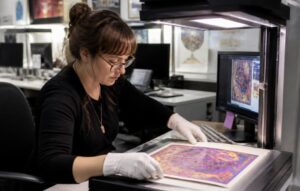
Seemingly ordinary documents, such as receipts, certificates of authenticity, exhibition catalogues, and correspondence, deserve to be preserved. What feels like routine paperwork today may become an important part of an artwork’s story tomorrow.

How Documentation Protects Your Collection’s Financial Value
For many collectors, art represents both a personal passion and a financial investment.
The 2025 Art Basel and UBS Survey of Global Collecting found that the high-net-worth individuals surveyed allocated an average of 20% of their wealth to art, compared with 15% in 2024.
While these figures reflect wealthy collectors rather than the wider collecting population, they highlight the financial significance art can hold.
Whatever the size of your collection, accurate documentation can support its financial protection in several ways.
Supporting Professional Valuations
An artwork’s value can change over time as an artist’s reputation, market demand and other circumstances evolve.
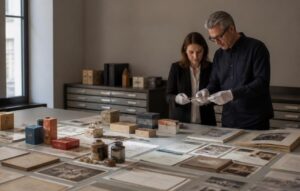
When arranging a professional valuation, information about an artwork’s origins, purchase history, condition and previous appraisals can help specialists assess it more accurately.
Keeping these records together also makes it easier to review your collection’s value over time and identify when updated appraisals may be appropriate.

Providing Evidence for Insurance
If an artwork is stolen, damaged or destroyed, documentation can become particularly important.
Photographs, purchase receipts, valuation reports and detailed descriptions can help establish what you owned and provide evidence when making an insurance claim, subject to your policy’s requirements.
Without these records, identifying an artwork or establishing its value may be considerably more difficult.
Making Future Sales Easier
Even if you never intend to sell your collection, your circumstances or collecting interests may change.
Buyers, galleries and auction houses may request evidence of an artwork’s ownership, authenticity and condition before considering a purchase.
Research also plays an important role in collecting decisions. The 2026 Art Basel and UBS Survey of Global Collecting found that 72% of surveyed high-net-worth collectors conducted moderate or significant independent research before buying art, up from 62% in 2025.
Good documentation can reduce uncertainty, support informed decisions and make it easier for others to understand what they are buying.
What Happens When an Artwork’s History Is Lost?
Imagine inheriting a painting that has hung in your family home for 40 years. You remember your parents purchasing it from a gallery, but you cannot find the original receipt. You are unsure when it was painted, whether it has ever been professionally valued or if there is documentation confirming its attribution to the artist.
The painting may hold considerable sentimental value, but understanding its financial worth or arranging an eventual sale could require extensive research.
Now imagine inheriting the same painting alongside its original invoice, photographs, artist correspondence and a record of its ownership history.
You would have a much clearer starting point for understanding, caring for and potentially valuing the work.
This hypothetical situation illustrates an important distinction: an artwork does not necessarily lose its intrinsic qualities when its paperwork disappears, but losing that information can make its history, authenticity and value harder to establish.
Documentation is therefore not simply an administrative exercise. It is a way of protecting knowledge that may be difficult, expensive or impossible to recover later.
“Provenance is the first thing that gets lost. A family might know a piece is ‘important,’ but without bills of sale or exhibition records, proving it becomes very hard. I always wish collectors had kept every piece of paper that came with a work.” — Rachel Chaldu, Solutions Consultant

Preserving Your Collection’s Condition and Long-Term Value
An artwork’s physical condition is another important factor in its long-term value.
Paintings, photographs, sculptures and works on paper can all be affected by environmental conditions, handling, storage and the passage of time.
Photographs taken when you first acquire a painting can help establish its original condition. If changes become apparent years later, those images offer a useful point of comparison.
Similarly, if a conservator carries out treatment, retaining their report provides future owners and specialists with information about what was done and why.
You do not need to become an expert in art conservation. Simply keeping photographs, condition reports and details of any professional treatments together can make a meaningful difference.
Why Documentation Matters for Family Collections
For many people, the greatest value of an art collection is not financial. A painting might remind you of a memorable holiday, a sculpture may have been a wedding gift or a work on paper could have been passed down through several generations.
These personal connections are part of what makes a collection unique. Yet they can be easily lost if they are never recorded.
The 2025 Art Basel and UBS Survey of Global Collecting found that 80% of the high-net-worth collectors surveyed planned to pass their collections to their children or spouses.
This raises an important question: If your family inherited your art collection tomorrow, would they have the information needed to understand and care for it?
Would they know which pieces were particularly valuable? Which artworks required specialist care? Or why a seemingly modest painting held such importance to your family?
Alongside purchase records and valuations, consider preserving the personal stories behind your artworks. Where did you discover a piece? What inspired you to buy it? Did you meet the artist? Does it commemorate an important moment in your life?
These details may not influence an artwork’s market price, but they preserve a different kind of value: the memories, relationships and experiences associated with it.
For family collections, this knowledge can be just as meaningful as the artworks themselves.
By documenting both the practical information and personal history of your collection, you help future generations inherit not only the art, but also an understanding of what makes it special.

Where to Start with Documenting Your Collection
Starting early is often easier than trying to reconstruct information years later.
When you acquire a new artwork, take a few minutes to save its purchase receipt, photograph it and record what you know about its history. If you receive a certificate of authenticity, valuation or correspondence from the artist, keep it with the artwork’s other records.
For an existing collection, begin with the information you already have. You can gradually fill in gaps as you discover more, while clearly distinguishing confirmed details from those that still require research.
The aim is not to create unnecessary work. It is to develop a reliable record that grows alongside your collection.

Making Documentation Easier as Your Collection Grows
For a small collection, keeping receipts in a folder and photographs on your phone may initially seem sufficient. However, as you acquire more artwork, information can quickly become scattered across emails, paper files, spreadsheets and different devices.
Finding a valuation report, checking an artwork’s dimensions or locating a purchase receipt can become more difficult than it needs to be. Digital documentation offers a more organized approach.
By maintaining a central digital record for each artwork, you can bring together its photographs, purchase information, provenance, condition history and other supporting documents. This ensures important information is organized, readily accessible and easier to maintain as your collection grows.
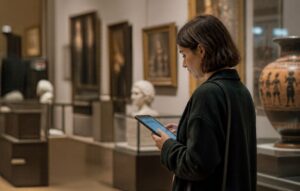
Specialist art collection management solutions help private collectors bring this information together in one place, reducing the need to manage separate files and spreadsheets. With ArtBinder, collectors can also access their collection information through a mobile app, making it easy to pull up artwork details on their phone, whether at home, visiting a gallery or discussing a piece with an advisor.
The purpose of technology should not be to make collecting more complicated. It should give you peace of mind that your collection’s information is organized and accessible, allowing you to spend less time managing records and more time enjoying the art you love.

Protecting More Than the Artwork Itself
The value of an art collection lies in the authenticity, condition and history of its artworks, as well as the personal experiences and memories they represent.
Thoughtful documentation ensures that the knowledge you have built through years of collecting does not disappear with time.
Because protecting an art collection is not only about caring for the artworks themselves. It is about safeguarding everything that gives them meaning.
Give Your Collection the Care It Deserves
At Gallery Systems, we understand that every private art collection is unique. Our private art collection management solutions help collectors organize artwork information, preserve important documentation and manage their collections with confidence.
Whether you are caring for a personal collection or preserving a family legacy, our experts are here to help you protect what matters most. Get in touch to discuss your collection and find the right approach for you.