Senior Application Support Specialist, Gallery Systems
With a career that has taken him from collections management at The Metropolitan Museum of Art to application support at Gallery Systems, Dimitry Vesensky brings a unique combination of museum experience, technical knowledge, and a genuine passion for helping people to his role as Senior Application Support Specialist. In this conversation, Dimitry reflects on his unexpected path into museum technology, how the TMS Suite has evolved over the years, and what makes application support so rewarding. Along the way, he shares his perspective on problem-solving, the importance of maintaining a human approach to client care, and his advice for anyone considering a career in application support.
Please can you tell us a bit about your background and how you made your way to TMS support?
I have a pretty diverse background. My undergraduate degree was in politics and foreign affairs, and my graduate degree was in philosophy and theology, so none of it was directly connected to IT.
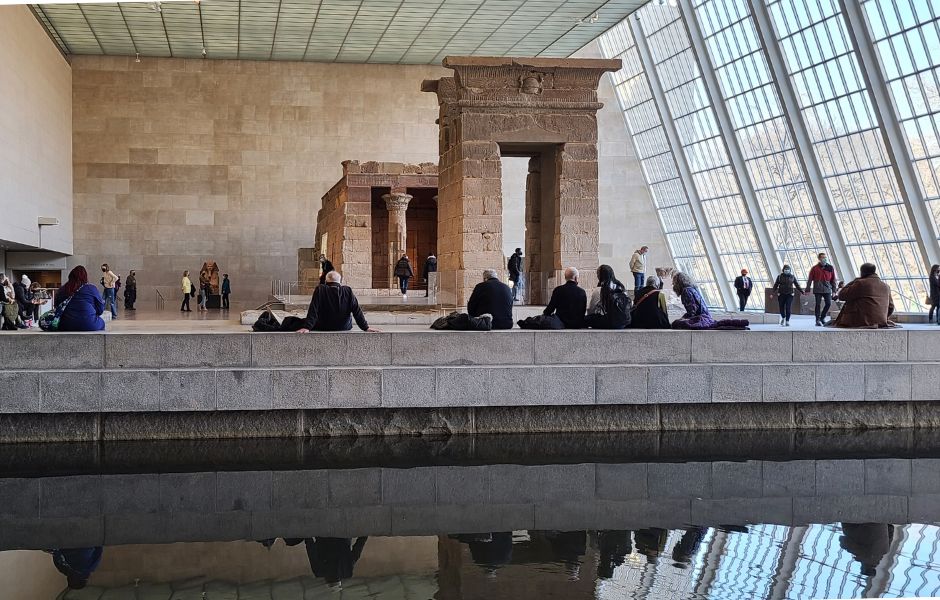
I suppose you could say I fell into application support. It started when I was working at The Metropolitan Museum of Art, first as an assistant and later as the Collections Manager for the Asian Art department. I was involved in implementing TMS there, from wiring storerooms and arranging data entry to learning Crystal Reports and helping the rest of the team get comfortable using TMS.
Looking back, that experience was really my introduction to application support, even if I didn’t think of it that way at the time.
What drew you to work at Gallery Systems?
It might be more accurate to say Gallery Systems was drawn to working with me! I had worked with Gallery Systems on several projects on behalf of The Met, and one day I got a call inviting me to join the team. I’ve been here ever since.
What does a typical day look like for you as a Senior Application Support Specialist?
I wake up, turn on my PC, and start by putting out fires. That could be missing data, connection issues, or anything urgent that is preventing someone from working. Once those issues are taken care of, I move on to other support cases, projects, training, and whatever else the day brings.
There’s never a dull moment, which is one of the things I enjoy about the role.
What’s one part of your role you find particularly rewarding or challenging?
Helping people is probably the most rewarding part. You can often see the results almost immediately and make someone’s working day a little easier. We all know what it feels like to be stuck, so if I can help someone get unstuck, that’s incredibly rewarding.
I also really enjoy the variety. My tasks can be completely different from one hour to the next. Like I said, there’s never a dull moment.
What do you love most about Gallery Systems’ company culture, and how does it influence the work you do?
The camaraderie. There’s a really supportive working culture here, and I think the nature of our products also shapes the kind of people who end up working at Gallery Systems.
Just as we want to help our clients, people here genuinely want to help their colleagues too. I reach out to others all the time when I’m stuck, and those requests for help are never ignored. I try to make sure I return the favor whenever someone needs my help.
How has the TMS Suite evolved since you joined the team, from where you sit in support?
I’ve been here for a long time, long enough that I caught a glimpse of the original DOS program Jay Hoffman created when I started. So, as you can imagine, today’s TMS Suite is vast in comparison with what I saw initially.
It’s been quite something to see how much the technology and its capabilities have developed over that time.
What’s one recent case or issue you’re especially proud of resolving?
Some cases require quite a bit of sleuthing. There isn’t one particular case that comes to mind, but it’s always satisfying when you resolve something obscure or complicated.
Those are the cases that really get your brain working and finally figuring out what’s happening and finding a solution is incredibly rewarding.
How do you approach gathering client feedback and feeding it back to the product team?
Jira! If something turns out to be a bug or a potential improvement, it gets documented and passed along to our R&D team so it can be reviewed.
Where do you see application support at Gallery Systems heading over the next year or two?
I think we’ll probably see more use of AI, particularly internally, where it can already be very helpful. But for me, it’s important that we don’t lose the human touch.
Client care is ultimately about people helping people. AI can support us in doing our jobs, but I believe clients should still be able to talk to a person when they need help. Maintaining that human connection will continue to be incredibly important.
What’s one thing people might be surprised to learn about your role?
I don’t know if people would necessarily be surprised, but they might not realize just how wide the range of day-to-day problems can be. You never quite know what the next support case is going to bring, which is part of what keeps the role interesting.
What inspires or motivates you most in your work?
Helping people. It might sound a little cheesy, but being able to help others, whether that’s a client or someone internally, is a great motivator for me. There’s a lot of satisfaction in knowing you’ve made someone’s day or their job a little easier.
Any advice for someone looking to break into application support?
Patience and people skills. You can learn the technical side, but working with people, particularly those who may not have a technical background, requires a different skill set. Being able to listen, understand the problem, and explain things clearly is incredibly important. Above all, patience is paramount.
What’s one unexpected fact about you that might surprise people?
I actually majored in East Asian Studies in college and used to be fluent in Japanese. My Japanese is a little rusty these days, it was decades ago, after all, but it’s still one of those unexpected parts of my background that tends to surprise people.
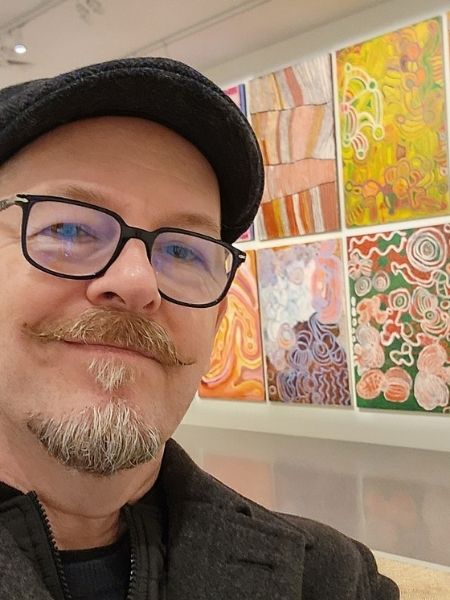
Dimitry’s journey from collections management to application support demonstrates the value of combining hands-on museum experience with curiosity, patience, and a willingness to solve problems. Having experienced the TMS Suite both as a museum professional and as part of the Gallery Systems team, he brings a valuable perspective to supporting the people who rely on our technology every day. As tools such as AI continue to shape the way we work, his perspective is a timely reminder that great support is ultimately about people helping people. Whether you’re looking for support with your collections management technology or want to learn more about how Gallery Systems can help your institution, get in touch with our team.