Is Your Corporate Heritage at Risk? 7 Signs Your Collections Management Approach Needs Attention

Corporate heritage tells the story of an organization: where it came from, how it has evolved, and the people, products, ideas, and milestones that shaped it along the way.
For some organizations, that history is represented by artworks, objects, and historic products. For others, it includes photographs, designs, documents, audiovisual material, digital assets, and records connected to important moments in the organization’s development.
Preserving these assets is important, but responsible stewardship goes further than protecting the objects and files themselves. The information surrounding them must also remain accurate, connected, secure, discoverable, and accessible over time.
As collections grow and organizations change, weaknesses in the way this information is managed can become increasingly difficult to address. Staff leave, systems change, digital material accumulates, and knowledge can gradually become fragmented across departments and platforms.
So, how can you tell whether your approach to corporate collections management needs attention?
Here are seven signs to look for:
1. Important Knowledge Exists Only in People’s Heads
Think about the people who know your corporate collection best. Perhaps they know why a particular object matters, who donated an important group of material, where additional documentation is stored, or the story behind a significant photograph. That knowledge can be invaluable, but relying on individuals to preserve it creates a long-term risk.
People change roles, retire, and leave organisations. When important context exists primarily in someone’s memory, inbox, personal files, or spreadsheets, that knowledge can leave with them.
A sustainable approach to collections management captures important information within structured collection records. Decisions, relationships, research, and contextual information can then become part of the organization’s lasting knowledge rather than remaining dependent on individual employees.
Ask yourself: If a key member of your team left tomorrow, how much knowledge about your collection would leave with them?

2. Your Collections Information Is Scattered Across Different Places
A spreadsheet contains the basic inventory. Images are stored on a shared drive. Documentation sits in folders. Another department maintains its own database. Additional information exists in emails or local files.
Individually, each system may serve a purpose. Collectively, they can make it difficult to establish a complete and reliable picture of your corporate collection.
Fragmented information can make everyday collections work more complicated. Staff may spend time searching across multiple locations, records can become duplicated or inconsistent, and the relationships between objects and their associated documentation can be lost.
Bringing collections information together within a structured approach helps create a more reliable source of knowledge about your organization’s heritage and makes that information easier to maintain over time.
Ask yourself: How many different places would you need to search to build a complete picture of one important object or asset?
3. Different People Document the Same Information Differently
Corporate collections often develop over decades. During that time, records may have been created by different employees, teams, departments, or systems.
Without agreed approaches to documentation, seemingly small inconsistencies can accumulate.
One person may record a company under its full legal name while another uses an abbreviation. Dates, locations, object types, departments, people, and terminology may all be recorded differently.
The result is more than untidy data. Inconsistent information can make collections harder to search, connect, understand, and reuse.
Defined metadata standards, controlled terminology, authority records, and consistent cataloguing practices can help create more reliable information across the collection.
Ask yourself: If two members of your team documented the same type of object today, would they record the information consistently?
4. Finding Historic Material Takes Longer Than It Should
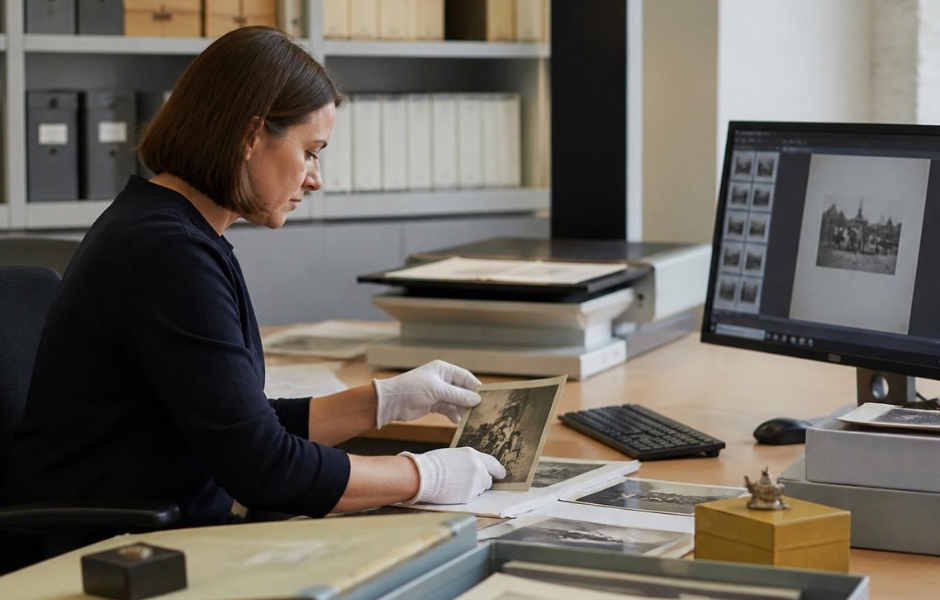
Corporate heritage can be an active organizational resource.
Marketing teams may need historic images for an anniversary campaign. Researchers may want information about an important product. Communications teams might need material relating to a company milestone. Designers may look to previous collections for creative inspiration.
But that value depends on people being able to find what they need.
If staff must know an exact reference number, search several systems, or ask the one colleague who knows where everything is kept, valuable heritage can become difficult to use.
Structured, searchable collections information makes it easier to discover objects and assets through relevant criteria and to understand the connections between people, places, events, documents, images, and other information.
Ask yourself: If your marketing team asked for material relating to a product or company milestone from 30 years ago, how quickly could you find it?
5. You’re Not Completely Sure Who Can Access or Change Collections Information
Making corporate heritage accessible does not mean making everything available to everyone.
Collections can contain sensitive information, internal documentation, rights restrictions, valuations, personal information, or material that should only be available to particular teams.
As employees change roles or leave the organization, access requirements change too.
Without clearly defined permissions and responsibilities, it can become difficult to know who can view, edit, or delete important collections information.
An effective approach to collections management balances accessibility with appropriate control. Roles and permissions should reflect people’s responsibilities, while sensitive information can be restricted where necessary.
Ask yourself: Do you know who can currently view, edit, and delete your collections information?
6. Digital Assets Are Becoming Disconnected from the Collection
Corporate heritage increasingly exists across both physical and digital formats.
Historic photographs may have been digitised. Product catalogues might exist as PDFs. Video and audio recordings could document important events. Contemporary corporate history may increasingly be born digital.
As this material grows, simply storing files is not enough.
Without clear relationships between digital resources and their associated collection records, context can become difficult to preserve. A photograph may exist on a shared drive, for example, but can future users determine what it shows, when it was created, why it matters, what it relates to, and whether it can be reused?
Connecting digital assets with relevant collections information helps preserve that context and makes digital heritage easier to discover and manage.
Ask yourself: Could you confidently locate the digital resources associated with an important object, person, product, or moment in your organization’s history?
7. Your Approach Works Today, But You’re Not Sure It Will Work Tomorrow
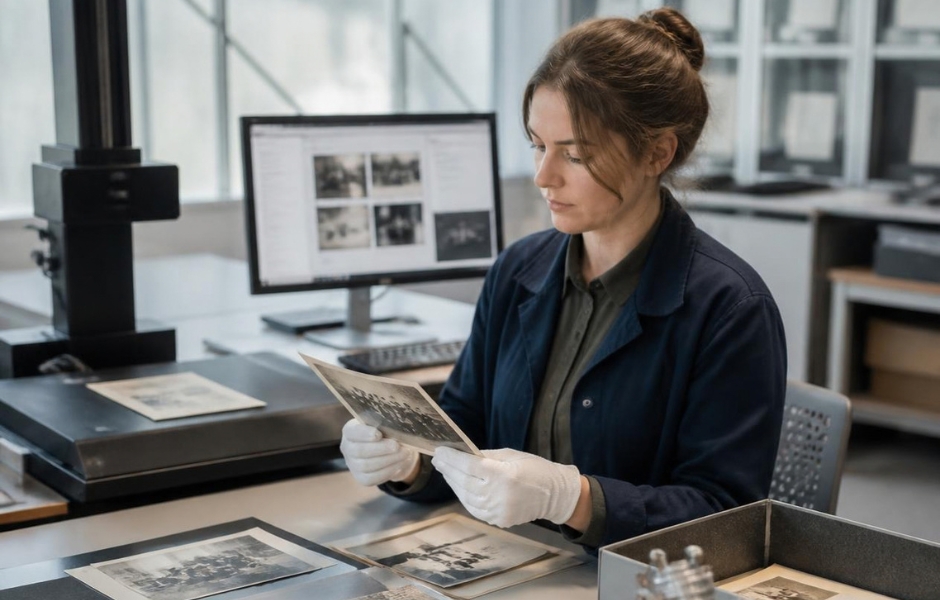
A collection is never static: New material is acquired, objects move, digital assets are created, research adds new knowledge, staff and organisational structures change, and technology evolves.
An approach that works for a small collection today may become increasingly difficult to maintain as the volume and complexity of information grows.
Future readiness therefore isn’t simply about choosing technology. It means establishing sustainable practices for documenting, managing, securing, and accessing collections information as circumstances change.
Regularly reviewing systems, policies, workflows, and priorities can help organisations identify weaknesses before they become significant problems.
The question isn’t only whether your current approach works. It’s whether the people responsible for the collection in five, ten, or twenty years will inherit information they can understand, trust, and use.
Ask yourself: Are you managing your corporate collection for today’s requirements, or for the people who will inherit responsibility for it?
From Corporate Memory to Corporate Heritage
Recognising one or more of these signs does not necessarily mean your corporate heritage is poorly managed.
Collections develop over long periods, often across changing teams, technologies, and organisational priorities. Fragmentation and inconsistency can develop gradually, even where significant work has gone into caring for the collection.
The important step is understanding where your current strengths and vulnerabilities lie.
A structured approach to collections management can help preserve the relationships between objects, documentation, digital resources, people, and institutional knowledge. In turn, corporate heritage can remain useful not only as a record of the past, but as a resource for research, exhibitions, communications, storytelling, creative work, and future decision-making.
How Strong Are the Foundations Protecting Your Corporate Heritage?
Corporate heritage depends on more than preserving records and assets. Strong stewardship requires the right foundations to keep information organised, accessible, secure, and usable over time.
The Corporate Heritage Stewardship Checklist helps you assess your current approach across ten key areas, identify strengths and gaps, and decide where to focus next.