TMS Collections
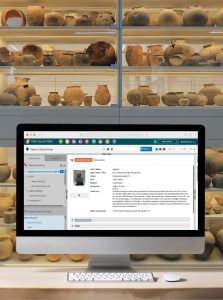
As the core of the suite, TMS Collections provides comprehensive collections management capabilities to document objects, track locations and movements, and manage loans and exhibitions.













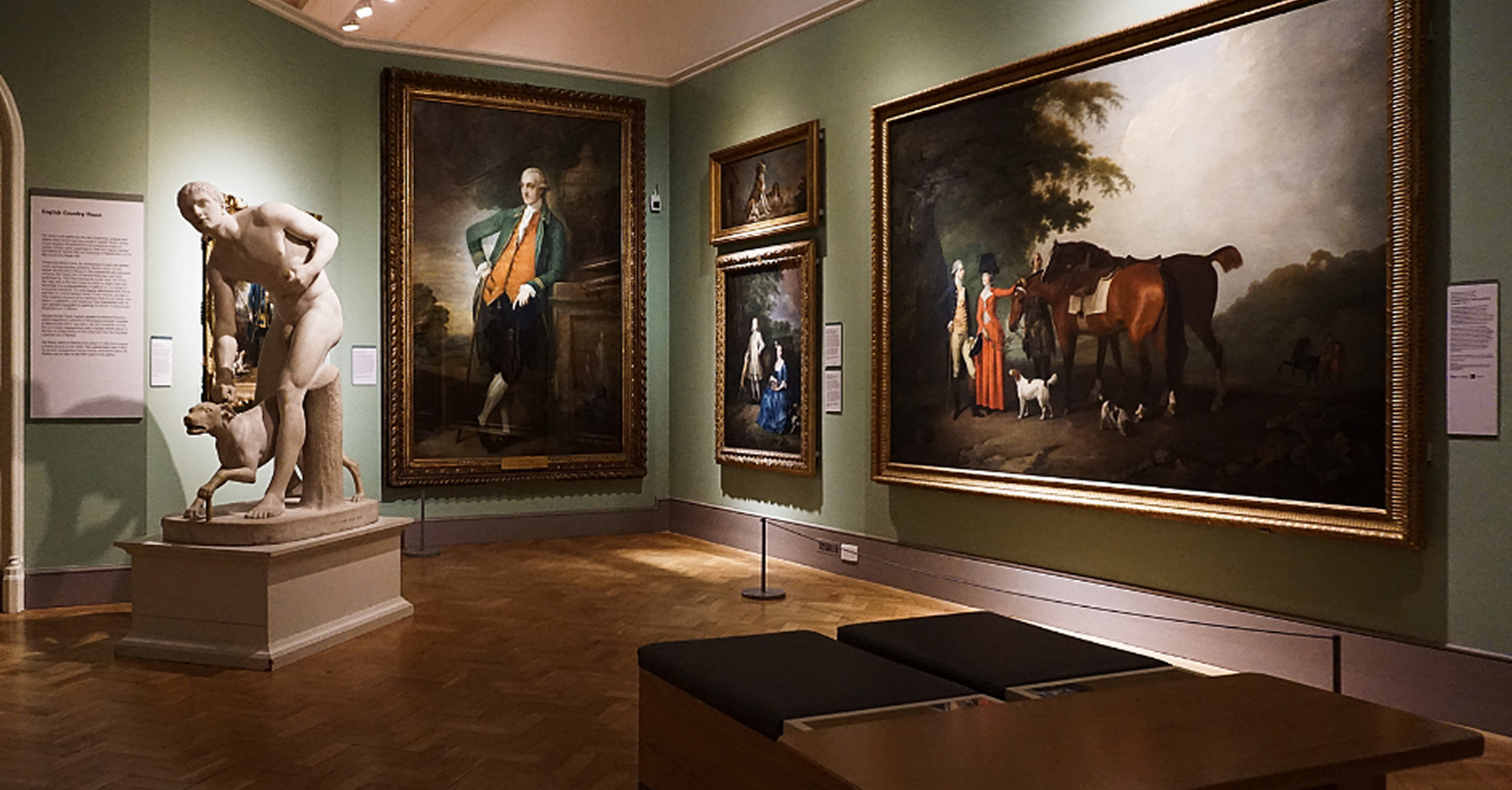

Every museum holds knowledge that extends far beyond the objects in its care. Some of it is easy to find. It sits in catalogue records, conservation reports, exhibition histories, loan documentation,…

The National Art Museum of Mexico City is dedicated to ensuring that visitors can experience its collections both in person and through digital platforms. Spanning the 16th through 20th…

At the center of this operation is Thomas Megaw, Lead Curator (Collections Management), who oversees documentation workflows and collection access across the city’s public-facing and purpose-built…
Every museum holds knowledge that extends far beyond the objects in its care. Some of it is easy to find. It sits in catalogue records, conservation reports, exhibition histories, loan documentation,…
Cultural institutions have always been stewards of information as well as objects. Every accession record, provenance note, conservation report, photograph, exhibition history, and piece of research…

Collections management software for registrars helps museums document objects, track locations, manage loans and exhibitions, and maintain accurate collections data within a centralized database.
Registrars manage complex collections documentation, object movements, and loan agreements. Collections management software helps maintain accurate records and support collaboration across museum departments.
Registrars can document cataloguing data, provenance, conservation history, loan agreements, exhibition records, location tracking, rights information, and research documentation.
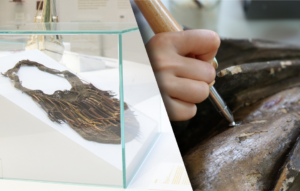
Yes. Many systems, such as TMS Conservation Studio, include tools for managing conservation reports, treatment documentation, and condition assessments linked directly to object records.
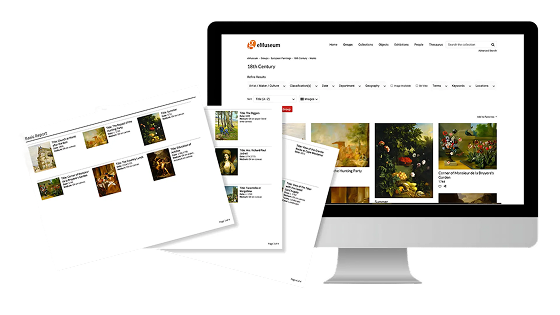
Yes. Many modern collections management platforms integrate with online publishing tools, like eMuseum, allowing museums to share collections records and images with public audiences.
Implementation timelines vary depending on collection size, data quality, and institutional requirements. Many museums begin using the system within several months. For a tailored timeline, please contact the team.