


How The National Art Museum of Mexico City Improved Access and Workflow Efficiency with TMS Collections and eMuseum

Who They Are
-
Collection Scope: 16th–20th century collections
-
Sector Focus: Art museum collections, including Novohispano and fine art
-
Team Structure: Cross-functional team including curators, registrars, and library staff
-
Solutions Implemented: TMS Collections and eMuseum, supporting both internal collection management and public-facing access

The Process
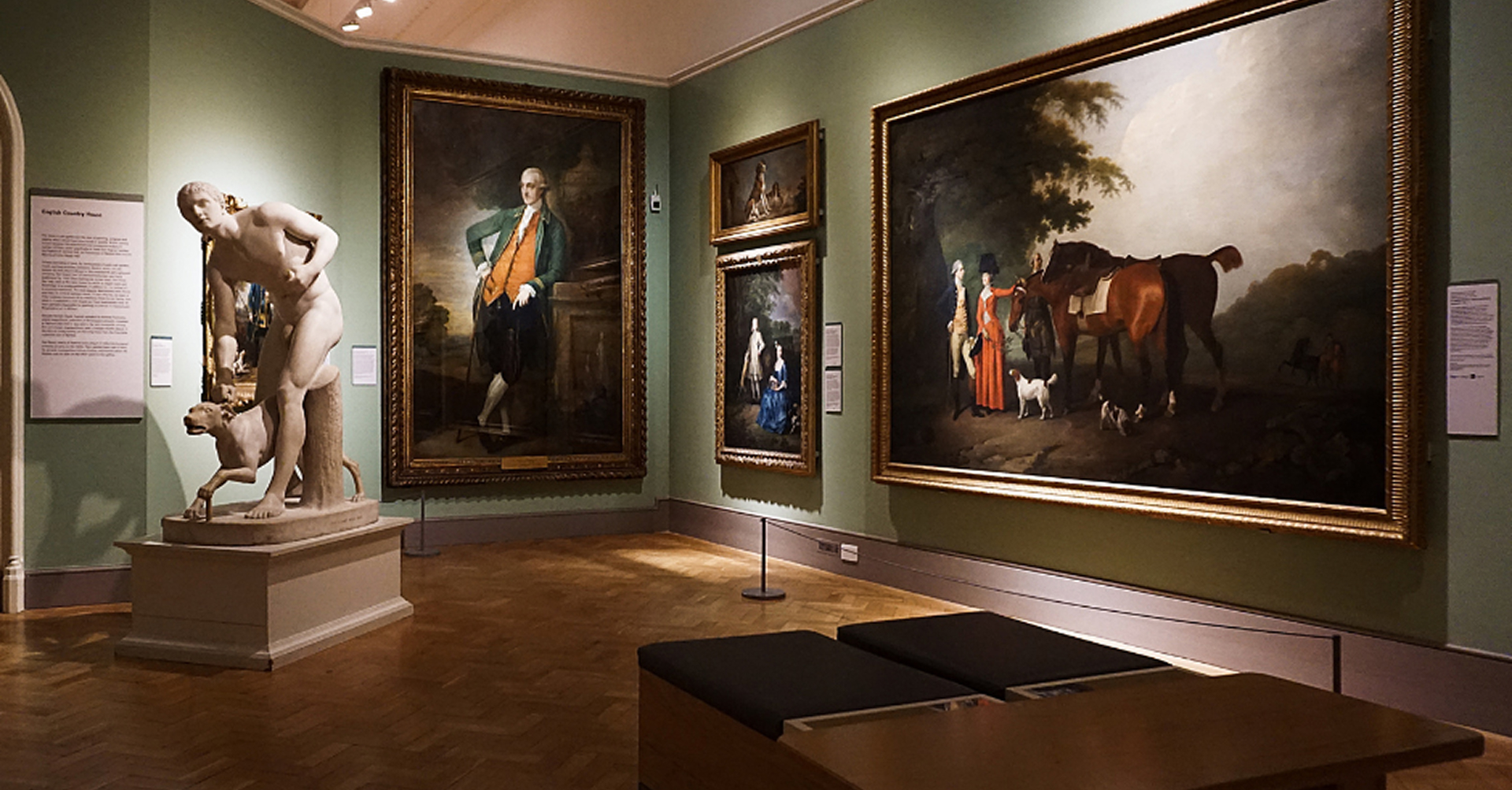
The National Art Museum of Mexico City is dedicated to ensuring that visitors can experience its collections both in person and through digital platforms. Spanning the 16th through 20th centuries, including Novohispano and popular art, the museum’s collections are managed by a collaborative team of curators, registrars, library staff, and IT.
To support its mission, the museum undertook a collection digitization initiative focused on the Pellicer Collection. The primary goals were to improve access to collection information and address workflow challenges. This effort was also driven by an opportunity to expand the digitization of the museum’s holdings.
At the outset, the team faced a significant challenge: scattered data. This fragmentation made it difficult to efficiently manage records and support ongoing digitization work. With multiple stakeholders involved, there was a clear need for a system that could streamline processes and enable better collaboration.
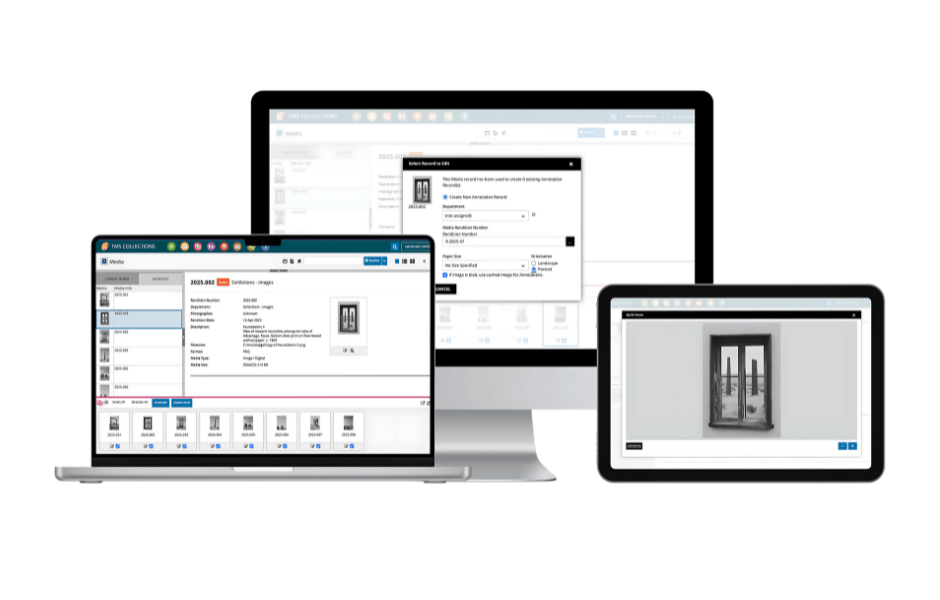
By implementing TMS Collections alongside eMuseum, the museum was able to centralize its collection data and improve how teams interact with it. According to Adrián Pérez Camarena, Systems IT Administrator, “TMS Collections made this process easier and faster.” The transition from TMS for Windows to the web-based TMS Collections platform marked a key improvement, allowing users to access the system more flexibly and efficiently.
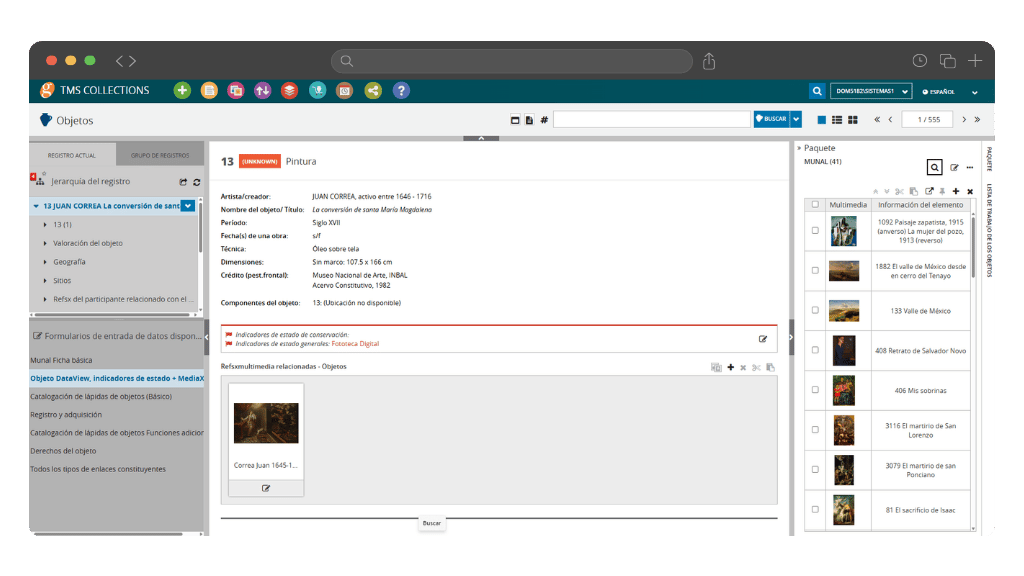
The system’s configurability also played an important role. The team adapted fields within TMS Collections to better reflect their internal structure, such as using disciplines instead of departments. Through the search functionality, staff were able to track progress and generate reports throughout the project. In one instance, a custom flag was introduced to identify records with high-resolution images in storage, enabling curators to quickly locate and report on these assets.
The results of the project met the museum’s original expectations. The team reported improved collaboration and significant time savings, particularly in how data is managed and accessed. Feedback from staff has highlighted the ease of access and overall success of the initiative, even as the team continues to expand its use of the system.
A major advancement came in the integration between TMS Collections and eMuseum. Previously, updates required database backups and manual refreshes. Now, updates made in TMS Collections can be reflected in eMuseum more efficiently through automated or on-demand processes, allowing collection data to be shared with the public more seamlessly.
This project directly supports the museum’s mission by bringing collections closer to the public and enabling broader access through digital platforms. With over a decade of experience using TMS, the museum sees TMS Collections as a long-term solution that will continue to support its curatorial, registrar, and library teams.
Reflecting on the experience, Pérez Camarena emphasized the value of collaboration with Gallery Systems, noting that the team’s expertise and support contributed to a successful implementation.
The Impact
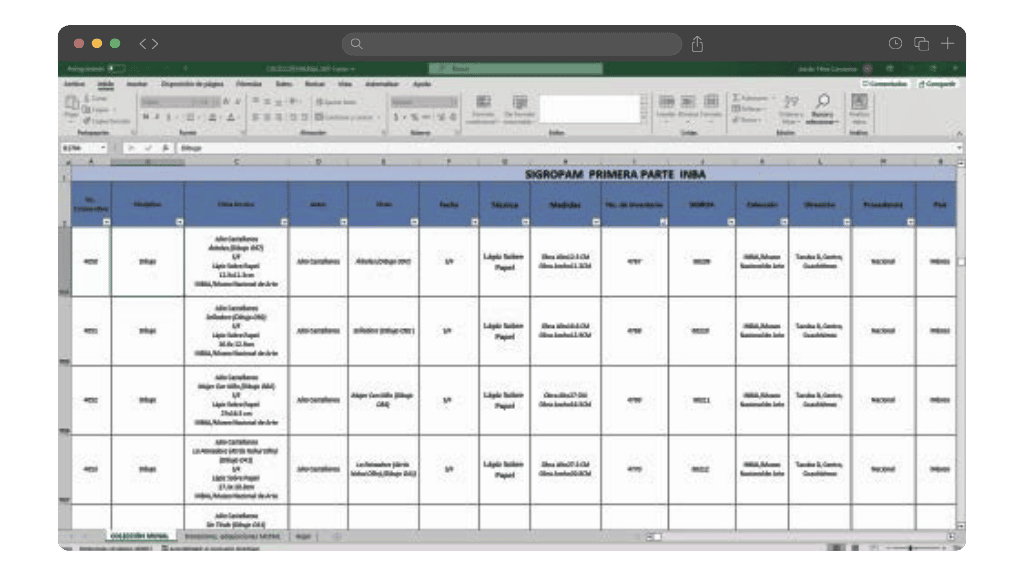
Before TMS Collections, the museum’s teams worked sharing archives in Microsoft Excel and other software as Microsoft Access, making it difficult to consolidate collection data or track digitization progress efficiently. Collaboration between departments was often slowed by limited access to up-to-date information, and sharing collection data with the public required manual processes and workarounds.
With TMS Collections and eMuseum in place, the team now works from a centralized, accessible system that supports collaboration across curatorial, registrar, and library functions. Staff can more easily search, report on, and manage collection data, while updates can be shared with the public more efficiently. As noted by the team, processes that were once time-consuming are now faster and easier, enabling them to focus more on advancing digitization and improving access to the collection.


The Challenge
-
Scattered collection data, making it difficult to consolidate and manage information efficiently across the institution
-
Inefficient workflows, limiting the team’s ability to streamline processes for registrars and curators
-
Limited accessibility to digitized collections, restricting how easily staff and the public could engage with collection information
The Solution
-
A centralized TMS Collections platform to streamline collection data management
-
Web-based access enabling collaboration across departments
-
Flexible search and reporting tools to monitor progress and support workflows
-
Security scheme, besides user and password, due to is a web-based access, we implemented an IP address access as a first level of security.
What Powered This Transformation

TMS Collections

eMuseum
More Success Stories

Is Your Corporate Heritage at Risk? 7 Signs Your Collections Management Approach Needs Attention
Corporate heritage tells the story of an organization: where it came from, how it has evolved, and the people, products, ideas, and milestones that shaped it along the way. For some organizations,…

Collective Conversations with Dimitry Vesensky
Senior Application Support Specialist, Gallery Systems With a career that has taken him from collections management at The Metropolitan Museum of Art to application support at Gallery Systems,…

Is Your Corporate Heritage at Risk? 7 Signs Your Collections Management Approach Needs Attention
Corporate heritage tells the story of an organization: where it came from, how it has evolved, and the people, products, ideas, and milestones that shaped it along the way. For some organizations,…
Collective Conversations with Dimitry Vesensky
Senior Application Support Specialist, Gallery Systems With a career that has taken him from collections management at The Metropolitan Museum of Art to application support at Gallery Systems,…
Is Your Corporate Heritage at Risk? 7 Signs Your Collections Management Approach Needs Attention
Corporate heritage tells the story of an organization: where it came from, how it has evolved, and the people, products, ideas, and milestones that shaped it along the way. For some organizations,…
Collective Conversations with Dimitry Vesensky
Senior Application Support Specialist, Gallery Systems With a career that has taken him from collections management at The Metropolitan Museum of Art to application support at Gallery Systems,…
Is Your Corporate Heritage at Risk? 7 Signs Your Collections Management Approach Needs Attention
Corporate heritage tells the story of an organization: where it came from, how it has evolved, and the people, products, ideas, and milestones that shaped it along the way. For some organizations,…
Collective Conversations with Dimitry Vesensky
Senior Application Support Specialist, Gallery Systems With a career that has taken him from collections management at The Metropolitan Museum of Art to application support at Gallery Systems,…
Is Your Corporate Heritage at Risk? 7 Signs Your Collections Management Approach Needs Attention
Corporate heritage tells the story of an organization: where it came from, how it has evolved, and the people, products, ideas, and milestones that shaped it along the way. For some organizations,…
Collective Conversations with Dimitry Vesensky
Senior Application Support Specialist, Gallery Systems With a career that has taken him from collections management at The Metropolitan Museum of Art to application support at Gallery Systems,…