TMS Collections
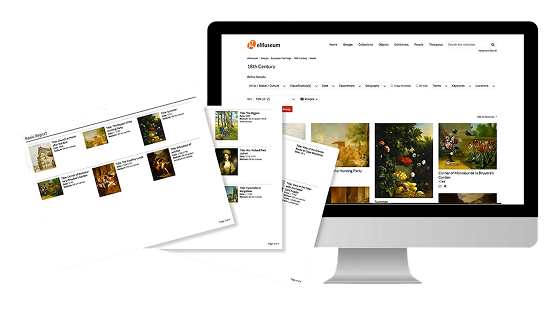
Comprehensive collection management software for collections: catalogue diverse objects, manage loans and exhibitions, and maintain accurate records across all object types.




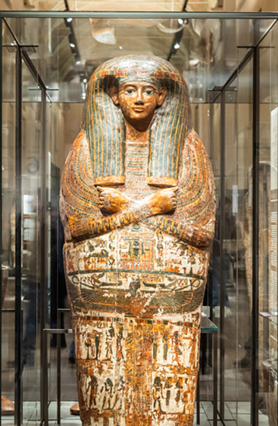


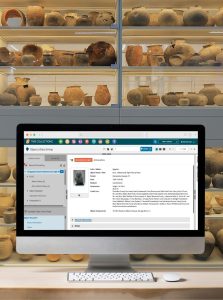
TMS Collections is web-based collection management software for history collections, designed to manage the complexity and diversity of institutional holdings. It connects object records, archives, loans, exhibitions, and digital assets within a single, scalable platform — so institutions managing a collection and an archive can work from one source of truth.





Corporate heritage tells the story of an organization: where it came from, how it has evolved, and the people, products, ideas, and milestones that shaped it along the way. For some organizations,…

Senior Application Support Specialist, Gallery Systems With a career that has taken him from collections management at The Metropolitan Museum of Art to application support at Gallery Systems,…

The National Art Museum of Mexico City is dedicated to ensuring that visitors can experience its collections both in person and through digital platforms. Spanning the 16th through 20th…

At the center of this operation is Thomas Megaw, Lead Curator (Collections Management), who oversees documentation workflows and collection access across the city’s public-facing and purpose-built…
Corporate heritage tells the story of an organization: where it came from, how it has evolved, and the people, products, ideas, and milestones that shaped it along the way. For some organizations,…
Senior Application Support Specialist, Gallery Systems With a career that has taken him from collections management at The Metropolitan Museum of Art to application support at Gallery Systems,…

Collection management software for history collections helps museums and cultural institutions catalogue diverse objects and archival materials, track locations, manage loans and exhibitions, and maintain accurate documentation across all collection types.
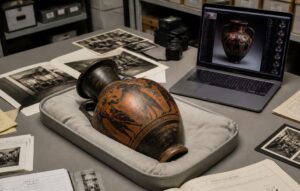
History collections encompass a wide variety of object types, each with complex documentation needs. Collection management software for history collections ensures accuracy, improves efficiency, and supports collaboration across curatorial, registration, and conservation teams.
It consolidates records for diverse object types, strengthens provenance documentation, improves location tracking, streamlines workflows, automates reporting, and supports secure, role-based data management.
Yes. Systems like TMS Collections integrate loans and exhibitions workflows, linking them directly to object records and documentation across all collection types.
Yes. Integrated digital asset management allows institutions to manage photographs, documents, and media with metadata linked directly to object records.
Yes. Many institutions use TMS Collections to manage objects and archival holdings side by side, with shared records, locations, and documentation — so teams work from one system instead of maintaining a separate archive database.
Timelines vary based on collection size, object type diversity, and data complexity. Many institutions begin using the system within a few months, supported by the Gallery Systems team throughout the process.