
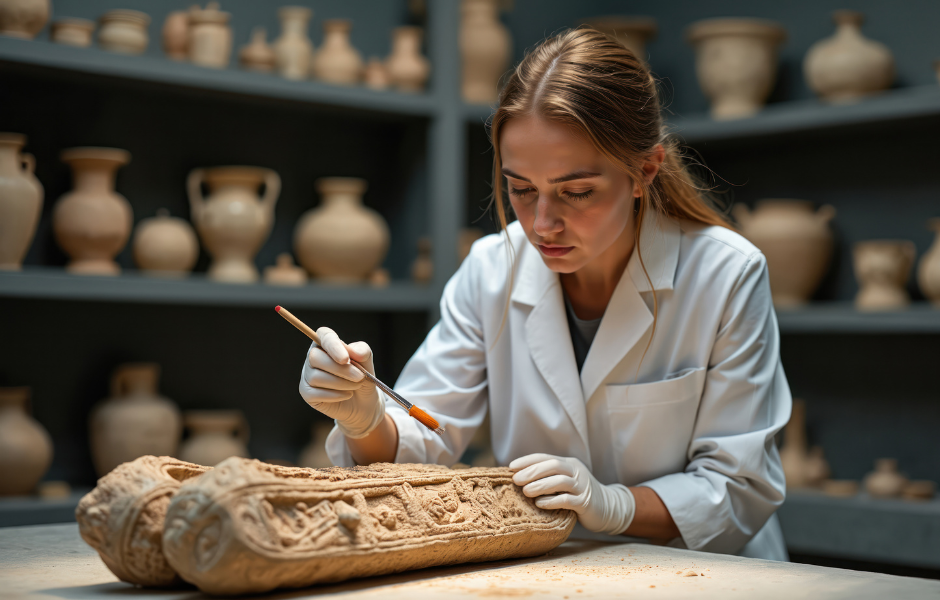
Behind every exhibition, loan, and research initiative lies an essential but often invisible effort: conservation work. Conservators carefully document object conditions, perform treatments, analyze materials, and provide expertise that supports the long-term care of collections.
Yet while conservation practice has evolved significantly over the years, the systems used to manage conservation documentation and workflows have not always kept pace.
Many museums still rely on a patchwork of tools such as paper reports and spreadsheets to track conservation work. These approaches may have developed gradually over time, but they can create challenges as collections grow, teams expand, and institutional collaboration becomes more complex.
For museums looking to improve efficiency and coordination, conservation management is increasingly becoming part of a broader conversation about operational excellence.
Why Conservation Workflows Are Becoming More Complex
The responsibilities of conservation teams extend far beyond treatment documentation. Conservators often play a central role in a wide range of museum activities, including:
- Assessing objects for exhibitions and loans
- Conducting condition surveys across collections
- Documenting treatments and scientific analysis
- Collaborating with curators, registrars, and collections managers
- Tracking long-term conservation histories for objects
Each of these activities generates important documentation that contributes to the institutional record of object care.
When this information is spread across multiple systems or formats, however, it can become difficult to maintain a clear and accessible conservation history. Conservators may spend valuable time locating records, recreating documentation, or coordinating information across departments.
As museum operations become increasingly interconnected, these challenges can make it harder for conservation teams to work efficiently and collaborate with colleagues across the institution.

Moving Toward More Connected Conservation Documentation
One of the most significant shifts in conservation management today is the move toward centralized, digital documentation.
Instead of storing reports and treatment records in separate locations, many institutions are working to consolidate conservation documentation into structured systems that allow teams to manage information in a consistent and accessible way.
Centralized conservation records offer several advantages. They allow institutions to maintain a complete conservation history for each object, ensure documentation remains searchable and standardized, and make it easier for authorized staff across the museum to access the information they need.
This approach also supports long-term institutional knowledge by ensuring that conservation data remains connected to the objects it describes.
The Importance of Structured Conservation Reporting
Conservation documentation must capture detailed information while remaining consistent enough to support future research and analysis. For many institutions, this means developing structured documentation processes that standardize how condition reports, treatment proposals, and surveys are recorded.
Digital templates can help conservation teams achieve this balance. By providing configurable forms and discipline-specific data fields, templates allow conservators to document treatments efficiently while maintaining consistent documentation standards.
Structured documentation also improves the ability to search conservation records and generate reports, making it easier to analyze treatment histories or track conservation activities across the collection.

Connecting Conservation Work with Collections Management
Another important development in conservation operations is the integration of conservation documentation with collections management systems.
Conservation work rarely exists in isolation. Object treatments often relate directly to exhibitions, loans, research projects, or curatorial initiatives. When conservation records are disconnected from collections data, it can become difficult for teams to understand the full context of object care.
Integrating conservation workflows with collections management allows institutions to maintain a more connected view of their collections.
For example, conservation reports can be linked directly to object records, allowing teams to access treatment histories alongside key object information. Conservation activities can also be connected to exhibitions and loans, helping conservators stay informed about upcoming projects that may require condition assessments or treatments.
Solutions such as TMS Conservation Studio, which connects its data with TMS Collections, illustrate how museums are beginning to bring conservation documentation and collections management into a unified system. By consolidating conservation reporting, project tracking, and media documentation within the same ecosystem as collections data, institutions can streamline workflows while maintaining consistent records.
Managing Complex Objects and Detailed Conservation Work
Many museum objects present unique conservation challenges. Composite artifacts, multi-part objects, and mixed materials often require treatments that must be documented at a highly detailed level.
Digital conservation tools can support this work by allowing conservators to track treatments for individual components of an object, ensuring that each intervention is recorded accurately.
Visual documentation is equally important. High-resolution photography, including before, during, and after treatment images, provides valuable insight into object condition and conservation processes. Some conservation management systems allow conservators to annotate images directly, highlighting areas of deterioration or treatment activity and preserving this information as part of the permanent record.
These capabilities help ensure that conservation documentation reflects the complexity of the objects themselves.

Supporting Collaboration Across the Museum
Conservation work intersects with many roles within a museum. Curators may need to review conservation reports when planning exhibitions. Registrars rely on conservation documentation when preparing loan agreements. Collections managers track object condition across the collection over time.
When conservation data is stored in isolated systems, sharing this information can become cumbersome.
By contrast, a shared conservation management environment allows different departments to access relevant information more easily. This improves coordination and helps ensure that decisions about exhibitions, loans, and collection care are informed by the most current conservation data.
Systems like TMS Conservation Studio support this collaborative approach by connecting conservation records with other modules within the TMS ecosystem, allowing institutions to maintain a shared database for collections and conservation information.

Flexibility for Modern Conservation Work
Conservation work is not always confined to a single workspace. Conservators may need to review documentation while working in the lab, examining objects in storage, or assessing artworks in the gallery.
Web-based conservation management tools allow teams to access records securely from multiple locations and devices, helping ensure that documentation remains available whenever it is needed.
This flexibility supports more efficient workflows and allows conservators to remain connected to object records regardless of where their work takes place.
Toward Operational Excellence in Conservation Management
As museums continue to modernize collections management practices, conservation management is becoming increasingly integrated into the broader collections’ ecosystem.
Centralizing conservation documentation, connecting conservation workflows to collections management systems, and enabling stronger collaboration across departments all contribute to more efficient and effective conservation operations.
If your institution is looking to streamline conservation documentation, improve collaboration across departments, and connect conservation workflows with your collections management system, TMS Conservation Studio can help.
Schedule a personalized consultation to learn how the platform supports operational excellence for conservation teams.


