


How the Whitney Museum of American Art Improved Performance Art Documentation with TMS
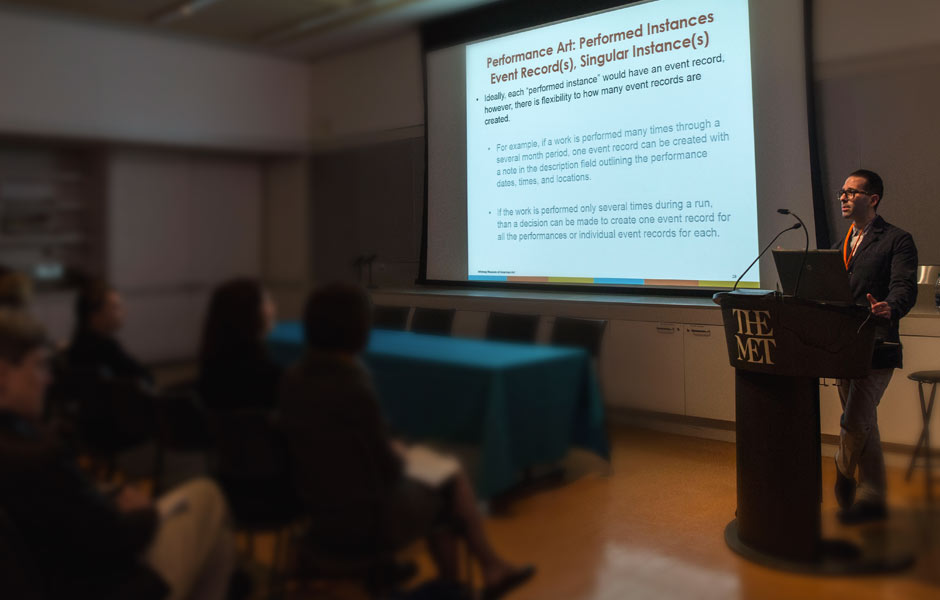
The Whitney Museum and The Challenges of Cataloguing Performance Art
The Whitney Museum of American Art has a long history of presenting important performance art, both in their collection and through the Whitney Biennial. Farris Wahbeh, the Benjamin and Irma Weiss Director of Research Resources at the Whitney, explains the background of the Whitney’s passion for performance, “The Whitney’s history of performance is much longer than many people expect. Gertrude Vanderbilt Whitney promoted many performance artists…and there were performances at the Whitney Studio Club before the Whitney was founded in 1931.”
As the Whitney increased exhibitions of performance art, the importance of cataloguing the works grew, and Wahbeh knew that this genre would present special challenges. “It became overwhelming to absorb information. Many times our curators would put a performance together in a very short amount of time, so there were a lot of moving parts in creating an exhibition history.”
In addition to the challenge brought by the timing of a performance work, each performance includes many different elements, such as changes caused by the introduction of new performers, and the way the setting of a performance can alter audience experience. Wahbeh knew that the documentation of performance art would need to be handled in a way that would accommodate its unique qualities.
Performance art can be very conceptual, especially with the elements you do or don’t retain. It’s crucial to be iterative and responsive to the needs of performance art as a practice. It can be very different from a painting or other conceptual modes of art making, so making sure you have the proper tools, terminology, and standards internally is very important.
-Farris Wahbeh, Collective Imagination, 2016
The Whitney Museum was fortunate to have a collections management system that provided great flexibility, and supported Wahbeh’s need for a complete workflow and documentation solution, “There were different ways of tying this together, we used TMS,” says Wahbeh.
The Outcome: Leaner Data, Smarter Workflows
The migration delivered tangible results. Over 25,000 obsolete records were purged, giving the team a cleaner foundation for future data-cleaning and documentation efforts. With TMS Collections in place, the need for complex IT support and virtual desktops vanished. New users could be onboarded more easily, and collection staff could focus more time on core activities.
The project met and exceeded expectations—not just in terms of performance, but also in cultural change. Users embraced the new platform enthusiastically, and the institution permanently shifted to more agile and efficient working methods.

One Platform for Collections Management,
Conservation, Media, and Publishing
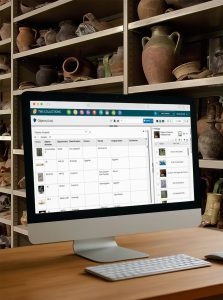
TMS Collections

TMS Media Studio

TMS Conservation Studio

eMuseum
More Success Stories
How Collections Management Systems Support Responsible Data Preservation
Museums are responsible for preserving more than objects. Every acquisition, exhibition, loan, conservation treatment, location change, provenance discovery, and research project can generate…

What Responsible AI Looks Like in Collections Management
Artificial intelligence has quickly become part of everyday work. From drafting emails and summarizing meetings to organizing research and translating content, AI-powered tools are helping…

How Collections Management Systems Support Responsible Data Preservation
Museums are responsible for preserving more than objects. Every acquisition, exhibition, loan, conservation treatment, location change, provenance discovery, and research project can generate…
What Responsible AI Looks Like in Collections Management
Artificial intelligence has quickly become part of everyday work. From drafting emails and summarizing meetings to organizing research and translating content, AI-powered tools are helping…