


How the Australian National Maritime Museum Used eMuseum to Build a National Register of Historic Vessels
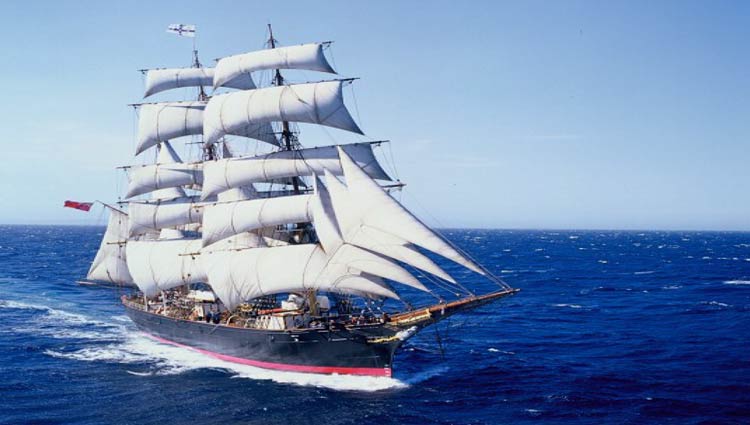
Bringing Historic Vessels and Their Stories to Life with eMuseum
As a national collecting institution, The Australian National Maritime Museum (ANMM) promotes a broad interpretation of maritime heritage and culture through innovation, creativity and collaboration. ANMM, in association with the Sydney Heritage Fleet (SHF), wanted to provide online access to in-depth information on surviving vessels of Australian maritime significance, while also encouraging public involvement.
Although ANMM and other public institutions hold a rich collection of information on historic boats and watercraft, many more of the country’s historic vessels are privately-owned and therefore unknown to the public. ANMM sought to publish online a database of information on both public and privately owned vessels—60% private, 20% on view in museums and 20% in storage. According to ANMM Senior Curator, Daina Fletcher, “The overall aim (of the project) is to promote and preserve historic vessels by emphasizing their links to their communities, both past and present.”
The Challenge
-
Create a richly-illustrated research database for the public
-
Incorporate detailed maritime classification (i.e. class, type, distribution)
-
Provide search results with multiple viewing options
-
Allow the public to nominate vessels online
-
Increase the collection of data via public participation
The Solution
-
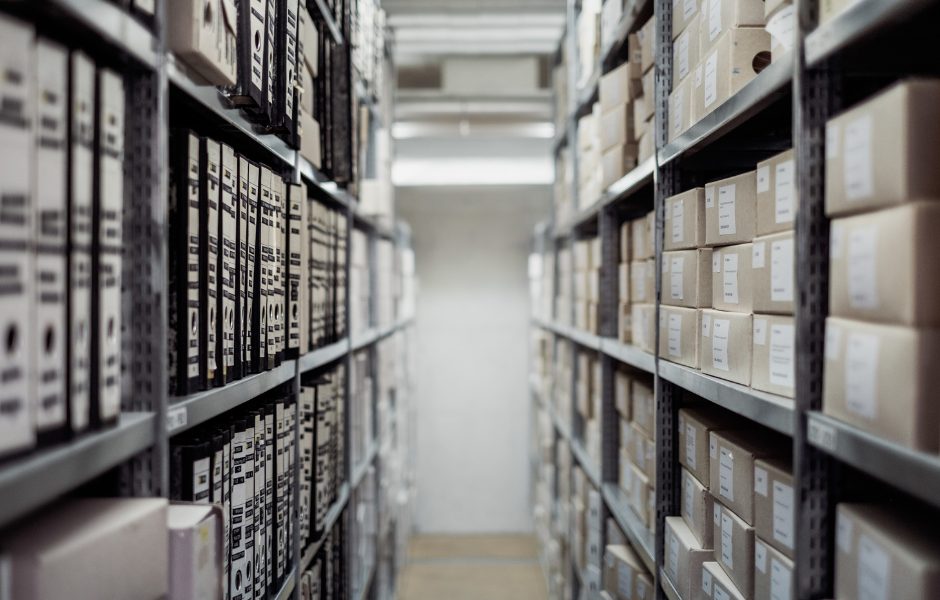
A centralized TMS database for collection and media records
-
Role-based user access for registrar, curators, and IT
-
Reporting tools for audit and compliance workflows


What Powered This Transformation

eMuseum
TMS Suite
More Success Stories
How Collections Management Systems Support Responsible Data Preservation
Museums are responsible for preserving more than objects. Every acquisition, exhibition, loan, conservation treatment, location change, provenance discovery, and research project can generate…
What Responsible AI Looks Like in Collections Management
Artificial intelligence has quickly become part of everyday work. From drafting emails and summarizing meetings to organizing research and translating content, AI-powered tools are helping…

How Collections Management Systems Support Responsible Data Preservation
Museums are responsible for preserving more than objects. Every acquisition, exhibition, loan, conservation treatment, location change, provenance discovery, and research project can generate…
What Responsible AI Looks Like in Collections Management
Artificial intelligence has quickly become part of everyday work. From drafting emails and summarizing meetings to organizing research and translating content, AI-powered tools are helping…